What Every Hobby Player Should Know Before Buying New Gear
There's a moment every hobby player runs into eventually. You've been playing for a while, your skills are clearly improving, and suddenly your gear starts to feel like it's working against you instead of with you. That's usually the sign it's time for an upgrade. But buying new sports gear isn't always as simple as walking into a store and grabbing whatever looks good. There's a lot to think about, and getting it wrong can cost you both money and momentum.
Here's what every hobby player should really know before making that next purchase.
Understanding Where You Are in Your Journey as a Hobby Player
Recognising the signs that your current gear is holding you back
You'll feel it before you can explain it. Maybe your shots feel inconsistent, your equipment feels too forgiving, or you notice yourself working harder than you should. Beginner gear is built to be easy and forgiving, which is great when you're starting out, but limiting once you start improving.
Why honest self-assessment matters more than online reviews
It's tempting to buy the gear your favourite pro uses, but that gear is built for their level, not yours. Be honest about how often you play, who you play with, and what your real goals are. Buying for the player you are today gives you a much better experience than buying for the player you wish you were.
Choosing equipment that matches a developing skill level
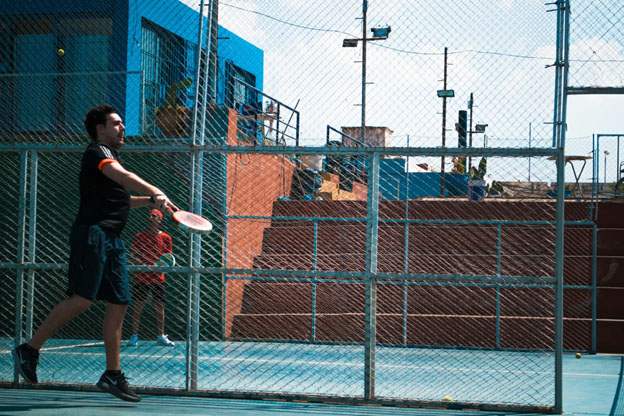
Once you've outgrown your starter gear, the smartest move is shifting toward mid-tier equipment designed for players who are still growing. For racquet sports, that often means looking at options like tennis racquets for intermediate players, which offer a healthy mix of control, power, and comfort that supports steady improvement without overwhelming you.
Setting a Realistic Budget Before You Shop
Why budgeting first prevents impulse purchases
It's easy to walk into a store with a vague idea of what you want and leave with something far more expensive than planned. Setting a clear budget before you start shopping helps you stay focused and avoids the trap of getting talked into top-tier gear you don't actually need.
Balancing performance and price
The most expensive option isn't always the best, especially for hobby players. Mid-range gear often gives you the best value because it's built for real-world play, not for elite competition. You get most of the performance benefits without paying for features you'll rarely use.
Understanding the long-term cost of accessories and maintenance
The price tag is only part of the cost. Strings, grips, club fittings, replacement parts, bags, and balls all add up. If you take your hobby on holiday too, factor in travel essentials like proper carry bags and protective covers. When you're budgeting, think about the total cost of ownership over a year, not just the upfront spend. That gives you a more realistic picture of what your hobby actually costs.
Knowing What Specifications Actually Matter
Avoiding the trap of spec sheets
Spec sheets can be overwhelming, and most of those numbers genuinely don't matter unless you're playing at a competitive level. Focus on the few specifications that actually affect how the gear feels and performs in your hands.
Comfort and feel beat features on paper
A racquet, club, or paddle that feels right in motion will always serve you better than one that looks impressive on paper. Whenever possible, hold it, swing it, and see how it feels before committing.
Matching equipment to playing style
Are you aggressive or defensive? Do you favour power or control? Your playing style should guide your gear choice. Buying gear that fights against your natural style only makes the game harder.
Exploring Buying Options Beyond Brand-New Retail
Why second-hand gear is gaining popularity
Buying used gear used to feel like a compromise. Not anymore. More hobby players are realising that second-hand equipment is a smart, sustainable, and affordable way to access high-quality gear. Because so many players upgrade quickly, the resale market is full of well-maintained, premium options.
What to check before buying used equipment
Always inspect used gear carefully. Look for cracks, dents, repairs, worn grips, or anything that seems off. Ask about how often it was used and whether it's been serviced. A few minutes of due diligence saves you from buying someone else's problem.
Trusted sources make all the difference
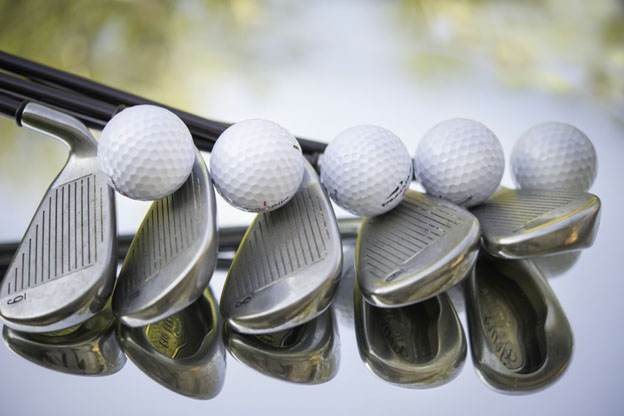
The key with second-hand gear is buying from reliable sources. Reputable resellers verify the condition and authenticity of their stock, which gives you peace of mind. Golfers, for instance, can find second hand Callaway golf clubs through dedicated platforms that specialise in verified pre-owned equipment, making it much easier to step into well-known brands without paying full retail.
Trying Before Buying and Getting the Right Fit
Why demo sessions, fittings, and trials matter
Many sports stores, clubs, and brands offer demo gear or short-term trials. Take advantage of this. Spending an hour with a piece of equipment before committing tells you more than any review ever could.
Personalisation makes everyday play more enjoyable
Grip size, club length, racquet weight, shoe fit, and even string tension all affect how you play. Getting properly fitted reduces your risk of injury and helps you play more consistently. It's one of those small details that makes a big difference over time.
Maintaining Your Gear So It Lasts
Routine care that protects your investment
Good gear lasts longer when you take care of it. Clean it after use, store it properly, restring or regrip when needed, and check it before every season. These habits cost almost nothing but extend the life of your equipment significantly.
Knowing when to repair vs. replace
Some wear is normal, but there's a point where repairing isn't worth it. If your gear is no longer comfortable, no longer performing well, or starting to affect your play, it might be time to move on. Track your gear's condition the same way you track your improvement.
Conclusion
Buying new gear isn't about chasing the latest release. It's about choosing equipment that supports the player you are right now and the player you're becoming. Take the time to assess your needs, set a budget you're comfortable with, and explore both new and pre-owned options. The hobby players who get the most out of their gear aren't the ones with the most expensive setups. They're the ones who chose thoughtfully and matched their gear to how they actually play.
Frequently Asked Questions
How often should hobby players upgrade their gear? Most hobby players benefit from reassessing their gear every couple of seasons or when their progress starts to slow.
Is mid-range gear good enough for someone improving quickly? Yes. Mid-range gear gives you most of the performance benefits without the high cost of pro-level equipment, making it ideal for growing players.
Is second-hand sports gear reliable? When purchased from a trusted reseller, second-hand gear can be just as reliable as new while offering significant savings.
What's the most common mistake hobby players make when buying gear? Buying gear that's either too advanced or too beginner-level instead of choosing equipment that fits the level they're actually playing at.
|