Planning a First Trip to Australia: Regions, Seasons, and On-The-Ground Logistics
I get asked the same question at reception most mornings: “We have two weeks. What should we actually do?”
Australia is vast, and first-timers face 7.7 million square kilometres of options with little tolerance for backtracking across the wrong season.
The cleanest answer is a 10–14 day spine across Sydney, the Reef, the Red Centre, and one southern hub, then add a few high-yield extras that don’t burn transit days.
If you run accommodation or tours, that same spine becomes your planning framework, plus fewer repeat questions and fewer preventable “we didn’t know” moments.
What First-Time Visitors Need to Know at a Glance
If guests pick 3–4 hubs and fly between them, they’ll see more Australia and spend less time recovering from bad logistics.
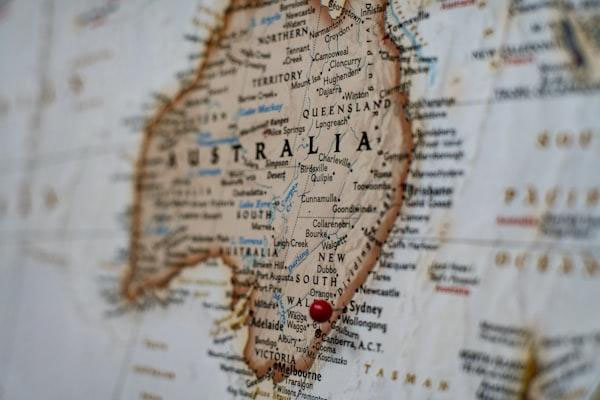
Australia rewards planners. International trips reached 7.4 million in the year to June 2024, with holiday travel accounting for 3.1 million of those trips and spend matching pre-pandemic levels.
For entry, many non-European passport holders apply for the ETA (subclass 601) via the official Australian ETA app with an AUD 20 service fee. Most European passport holders qualify for the eVisitor (subclass 651) at no government charge.
Plan around 3–4 regional hubs rather than seven one-night stands. Sydney to Cairns is roughly a 3-hour-15-minute flight, and Melbourne to Hobart is about 1 hour 15 minutes.
Fly between distant hubs and drive for coastal or short hops. If you’re advising guests, add a line about baggage rules, because domestic carriers can be stricter than long-haul allowances.
Time zones catch people out. Sydney and Melbourne run on the same time, Queensland doesn’t observe daylight saving, and the Northern Territory differs again, so confirm tour check-in times in local time.
Great Barrier Reef day-tour operators collect an Environmental Management Charge (EMC) per person, with the full-day rate scheduled to increase on 1 April 2026. Some national parks also require advance passes, so surface those links and QR codes where guests will actually see them.
What to Do So First-Timers See the Best of Australia
A first visit works best when each stop has one hero experience, one flexible backup, and one low-effort local win.
Use these regional modules to build a 10–14 day trip. Each includes realistic travel times and practical notes you can reuse in pre-arrival emails or lobby sheets.
Sydney And Blue Mountains (2–3 Days)
Start with the Opera House and Circular Quay, then walk the harbour foreshore or do the Bondi to Coogee coastal walk. Add a Blue Mountains day trip, with Katoomba roughly 90 minutes by car in light traffic.
If you’re writing an itinerary card, include two versions, one for clear weather and one for fog or rain. Flag summer bushfire notices, and remind families to use patrolled beaches only.
Tropical North Queensland And Great Barrier Reef (2–3 Days)
Prioritise an outer-reef snorkel or dive day, then pair it with the Daintree Rainforest boardwalks, Mossman Gorge, or the Kuranda Scenic Railway. Comfort is highest in the dry season from May to October.
From November to May, marine stinger risk is higher, so stinger suits and net enclosures matter. Set expectations early about motion sickness, early departures, and the EMC being collected by the operator.
Red Centre And Uluru–Kata Tjuta (2–3 Days)
Build around the Uluru base walk or Mala Walk, the Valley of the Winds at Kata Tjuta, and one sunset experience such as Field of Light. The park is most comfortable from May to September, with daytime highs around 20–30 °C.
Uluru is not climbed, and guests should treat cultural guidance as part of the visit, not an optional extra. Reinforce no-photo areas, finish longer walks by late morning in hot months, and carry 3–4 litres of water per person.
Melbourne And Great Ocean Road (2–3 Days)
Melbourne’s laneways, markets, and galleries fill a city day before a Great Ocean Road run to the Twelve Apostles and Shipwreck Coast lookouts. For most travellers, it’s a full day with limited margin for long stops.
Golden hour at the Apostles is the payoff, but weather changes fast, even in summer. Brief guests on cliff-edge barriers, keep a rain layer handy, and avoid tight schedules that assume city traffic won’t exist.
Tasmania Taster (2–3 Days Optional)
A short Tasmania add-on works when guests want nature and food without another long-haul flight. Hobart plus MONA and Salamanca Market pairs well with Freycinet National Park or Bruny Island.
Flights from Melbourne run about 1 hour 15 minutes, but build in buffer for airport transfers and car pick-up. Tasmania’s weather swings quickly, so tell guests to pack layers and a rain shell year-round.
Wildlife, Food, And Culture Thread
Small, ethical add-ons can add depth without changing the route. Think managed sanctuaries with keeper talks, regional food trails, and First Nations cultural centres.
If you curate options for guests, include one clear rule in writing: don’t feed wildlife, and don’t approach animals for photos. It prevents injuries, fines, and the kind of story that ruins a trip.
Smart Stays: Hotel Guest Experience Upgrades That Make Trips Smoother
Two simple upgrades can remove friction, because guests plan better when information is visible and entertainment is self-serve.

The goal isn’t more tech for its own sake. It’s fewer “how do we…” questions at peak check-in, plus fewer missed tours because someone didn’t see a cut-off time.
Sony Bravia TVs
Casting-ready in-room TVs reduce desk load because guests can stream their own apps, mirror maps, and confirm bookings without borrowing cables.
In practice, guests use the TV as a planning tool: they pull up maps, check tomorrow’s pickup points, review local safety notes, and unwind with familiar streaming apps after long flights, so the experience has to be reliable, simple, and consistent room to room. For a ready-to-deploy 4K hospitality option in Australia with hotel-mode controls and casting support, source Sony Bravia TVs through your procurement workflow.
A 4K hotel-mode panel is designed for hospitality use, with locked settings, controlled inputs, and simpler resets after checkout. Standardise remote layouts across rooms, and place a laminated “How to Cast” card beside each set for guests who aren’t confident with Wi‑Fi setup.
If you run a property-wide briefing loop, keep it short, 5–10 minutes, with captions and a QR code for updates. For a hospitality procurement path in Australia, compatible Bravia 4K panels are available through Amplify AV for rooms configured for hotel environments.
Track a few basic signals: casting connections per occupied room, TV help calls, and how often staff need to reset devices. Improvements should show up first as fewer interruptions during rush periods, not as flashy usage stats.
Booking Logistics, Passes, and Safety So Plans Stay on Track
Clear admin guidance protects itineraries, because the fastest way to waste a day is a preventable booking mistake.
Put these essentials in pre-arrival comms and repeat the non-negotiables on property, especially where guests book tours or ask for directions.
- Visas: ETA (601) via the official app with an AUD 20 service fee for many passports. eVisitor (651) for eligible Europeans at no government charge.
- Flights: Quote realistic times and remind guests that airport transfers add time. Sydney to Cairns is approximately 3 hours 15 minutes, and Melbourne to Hobart is about 1 hour 15 minutes.
- Connections: Pad connections by 2–3 hours when terminals differ or bags must be re-checked. A tight connection is rarely worth it on a first trip.
- Reef EMC: Permitted operators collect the per-person levy, and the full-day rate is scheduled to change from 1 April 2026. Advise guests to treat it like a park fee, not a surprise add-on.
- Beach safety: Repeat one rule everywhere, swim between the red and yellow flags on patrolled beaches. In tropical areas from November to May, add stinger-suit guidance even inside net enclosures.
- Uluru photography: Obey no-photo zones, and follow signage at cultural sites. Commercial or public use may require permits.
- Driving: Visitors drive on the left, and distances can be deceptive. If you recommend a day drive, include a realistic return time and a fuel stop plan.
Sample 10–14 Day First-Timer Itinerary
This sample keeps long flights to a minimum and protects daylight for the experiences guests will remember.
Days 1–3: Sydney, with one harbour day and one Blue Mountains day. If you’re advising guests, warn them about jet lag and put the coastal walk on day two, not day one.
Days 4–6: Cairns and the Great Barrier Reef, with an outer-reef tour, then a Daintree or Mossman day. Add a note about early check-in being unlikely after morning reef boats, and suggest luggage storage plus a simple lunch plan.
Days 7–9: Uluru–Kata Tjuta. Book sunrise and sunset viewing early, and schedule longer walks for the coolest hours. Build in one low-physical option so the trip still works if someone overheats or twists an ankle.
Days 10–12: Melbourne plus a Great Ocean Road day. Keep the road day as a full-day commitment, and brief guests to avoid driving back late if they’re not used to rural roads.
Days 13–14 (optional): Tasmania for Hobart plus a nature day, then back to the mainland for departure. It’s the add-on that works when flights line up, not when guests are squeezing minutes.
Enclosed Notice Board
A lockable notice board works because it turns fast-changing local conditions into one glance, and guests stop asking the same questions.
A weatherproof display near your entrance or tour-desk area can post daily surf conditions, stinger alerts during November to May, tour cut-off times, park-pass QR codes, and transport disruptions. It also reduces the risk of staff giving inconsistent answers across shifts.
Guests make better decisions when the day’s critical information is visible in one place, especially in coastal areas where surf conditions, stinger alerts, tour cut-off times, and transport changes can shift quickly, and different staff may be answering the same questions across multiple shifts. Source a weatherproof, lockable display for the entrance, such as an enclosed notice board from Retail Display Direct for a cabinet designed for Australian conditions. Assign a daily board captain to refresh it by 8 am, and use bold formatting for cut-off times plus icons for guests with limited English.
Measure what changes: QR scans, fewer repeated questions, and fewer missed departures. The board pays for itself when staff stop repeating the same safety scripts 30 times a day.
Make It Flow: Final Checklist
A consistent system beats a brilliant one-off, especially across rotating staff and busy seasons.
- Send a one-page pre-arrival guide covering visas, key passes, the EMC, beach safety, and where to find daily updates.
- Offer two alternates per hub, one for good weather and one for bad weather.
- Standardise in-room casting instructions, and keep any briefing loop short with captions.
- Assign a daily board captain to refresh notices by 8 am, with a simple template staff can follow.
FAQ
These are the questions guests usually ask before they lock flights and start booking tours.
How long should a first visit to Australia be?
A 10–14 day trip covers Sydney, the Reef, the Red Centre, and one southern hub without rushing. The median duration of stay for short-term visitors is 14 days, so two weeks matches common first-timer patterns.
When is the best time to visit the Great Barrier Reef?
Comfort is highest in the dry season from May to October. November to May is stinger season in tropical Queensland, so operators use stinger suits and net enclosures and may adjust swim locations.
Is beach swimming safe in Australia?
Yes, when you swim between the red and yellow flags on patrolled beaches and follow lifesavers’ advice. Avoid unpatrolled areas with rip currents, and in tropical areas during November to May, wear a stinger suit even inside net enclosures.
Do I need a visa to visit Australia?
Many travellers use the ETA (subclass 601) via the official Australian ETA app with an AUD 20 service fee. Eligible European passport holders can apply for the eVisitor (subclass 651) at no government application charge when applying through official channels.
What is the Reef Environmental Management Charge?
The EMC is a per-person levy collected by permitted reef tour operators to fund marine park management and conservation. The full-day rate is scheduled to increase on 1 April 2026, and operators can explain the breakdown if asked.
What months are most comfortable at Uluru?
May through September is typically the most comfortable, with daytime highs around 20–30 °C. In hotter months, finish walks by late morning and carry at least 3–4 litres of water per person on longer tracks.
|