Motor Accident Claims in Australia: Step-by-Step Guide After a Car Crash
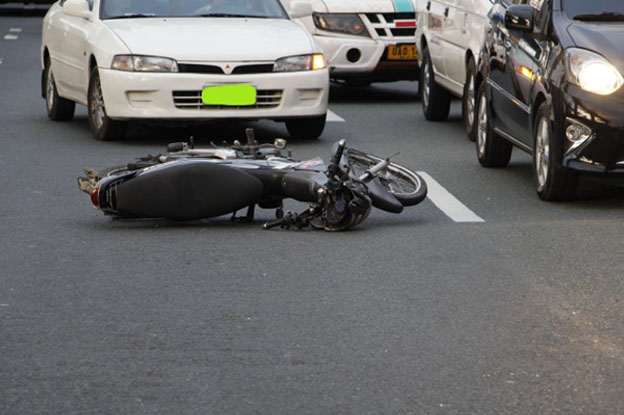
Crashes shake people up, sometimes more than they expect. A small collision might seem harmless, yet it often leaves drivers confused, mentally replaying moments right after impact. Across Australia, vehicles meet unexpectedly on roads far too often.
Statistics gathered by Transport for NSW show countless incidents each year, some quietly leading to long-term harm without warning. Right after a crash, simply exchanging details falls short. Grasping how motor vehicle claims work matters, especially the role of compulsory third-party (CTP) coverage meant to assist you.
What happens in the first moments shapes both legal protection and the path through insurance. Though rules differ across regions, zooming in on New South Wales offers clarity amid confusion. From scene management to paperwork, this overview outlines key moves and flags when reaching out to professionals makes sense.
What to do right after a car crash
Ensure safety and assess injuries
Start by making sure everyone stays physically safe above all else. Should conditions allow, shift your car off the roadway to reduce collision risks. Activate the hazard warning flashers without delay.
When people report discomfort or injuries appear likely, dial 000 straight away. Danger at the scene means help needs to arrive fast because emergency responders handle these moments best.
Exchange and record key details
After everything settles, collect details right away. The law demands sharing names, addresses, and vehicle registrations among involved drivers. If permitted, take a picture of the other person’s license. Write down the precise hour, the specific road spot, along with how the weather looks overall.
If an incident happens, notify authorities when rules demand it
Should a car require towing or anyone suffer harm, reporting the incident to law enforcement becomes necessary across numerous regions, NSW among them. Without that official reference (assigned at the scene) your path toward filing may lack support.
What Are Motor Accident Claims? Understanding the Basics
Definition and purpose
A motor accident claim centers on seeking payment after being hurt in a crash. Not focused on vehicle repairs, as that falls under full coverage policies, it deals instead with impacts on people. Medical bills come into play, along with therapy fees. Lost wages may also count, should work become impossible for a time.
Role of compulsory third-party (CTP) insurance
Every car officially recorded in Australia needs compulsory third-party coverage, called a Green Slip in New South Wales. This setup exists because accident victims deserve reliable help when hurt on roads. The Insurance Council of Australia explains its role clearly: it removes the need to take drivers to court just to cover health costs.
Support arrives faster when claims go through insurers instead of legal fights. Medical care stays within reach even if blame is unclear. Protection kicks in regardless of who caused the crash.
Who Can Make a Motor Accident Claim? Eligibility Explained
Among those involved are drivers. Riders take part too. People walking share the space. Bicyclists move through it as well
Most folks underestimate how wide the CTP scheme really stretches. Not only drivers can make a claim, as riders in the back seat might qualify too.
Hit by a suddenly opened car door while on your bike? That counts. Walking across the road and struck by a moving vehicle? You could still seek compensation. What if the car had no plates or vanished after impact? A legal placeholder known as the Nominal Defendant steps in. Protection exists even when the driver cannot be found.
Fault vs no-fault considerations (NSW focus)
Nowadays, the NSW system aims to make support easier to reach. Thanks to the Motor Accident Injuries Act, people involved in crashes typically receive basic payments for a fixed duration (most often 52 weeks) even when they share blame.
Still, those responsible for the incident may find their ongoing entitlements reduced. On the other hand, individuals not at fault usually keep broader rights over time.
Evidence Needed for Car Accident Claims
Accident documentation checklist
Most claims succeed when documents are clear and complete. A dedicated file helps organize evidence like pictures showing both car damage and nearby traffic conditions.
Having the official incident reference from law enforcement makes processes smoother later on. Medical records matter deeply because each note, test, or image from doctors ties health effects straight to the collision. These details build a timeline others can follow without guessing.
Supporting financial evidence
Should time away from work follow an injury, documentation like pay records or filed taxes becomes necessary. SIRA emphasizes that solid proof showing reduced income supports precise payout assessments.
Each slip from a drugstore stop, therapy session, or ride to treatment holds value. Proof stacks up quietly and steadily from the smallest transaction.
Lodging Motor Accident Claims in Australia
Inform insurer or CTP provider
Waiting can complicate things. Usually, claims go smoother when the CTP insurer gets notified within four weeks. Getting paid for missed time often depends on how quickly you act. Delays may block access to what you are owed.
Step 2 – Submit claim form and supporting evidence
Most claims go in via web platforms, though mailing a paper version remains an option. A full description of the incident must accompany the submission, together with proof of injury signed by the physician overseeing care.
Assessment and Investigation
Should questions arise about responsibility, the insurance company checks facts carefully. One step involves looking closely at how serious the harm really is. To confirm health status, outside doctors might examine you separately.
Step 4 – Outcome and compensation decision
Following evaluation, a determination on your financial aid for treatment and lost earnings will be provided. If approved, it may include necessary recovery-related spending. Support arrives to ease hardship during healing periods, though timing depends on case details. Decisions reflect individual circumstances without automatic approval.
Errors That May Impact Your Car Crash Claim
Right away, skipping medical care causes problems later. Should treatment wait too long, companies may say the harm came from somewhere else entirely. Reporting late breaks rules set in stone, and this alone kills many cases.
At the accident site, speaking about blame changes nothing anyway. Feelings flare up fast when vehicles collide, yet who was wrong gets settled only through evidence checked afterward by professionals trained for it.
Signs You Might Need a Lawyer After a Car Crash
Occasionally, things get tangled. When disagreements arise, such as over who was at fault or how bad the harm really is, it often makes sense to talk with a lawyer about motor accident claims. Understanding what you’re owed under the CTP rules becomes clearer that way.
Especially when injuries fall into the “non-threshold” category, meaning they’re quite serious, access to bigger payouts for ongoing hardship may become possible. Such outcomes usually depend on getting guidance early.
Know Your Rights Following a Car Crash
Starting off strong makes a difference when rebuilding after setbacks. Knowing what to expect shifts things in your favor right away. Move fast and write down each fact carefully, as this matters more than most think.
When push comes to shove from the insurance side, reaching out to experts becomes necessary. Laws exist with support in mind, yet demand clear initiative from you. Being aware changes outcomes; step by step keeps progress steady. Getting back up takes attention and effort while slowly building momentum again.
|