How Wellness Culture Is Quietly Reshaping the Spaces We Walk Into
Something has shifted. Walk into a medical clinic, a gym, or even a hotel lobby and you will notice it almost immediately. The spaces feel different. Warmer. More intentional.
This is not a coincidence. It is a full blown cultural shift.
People now expect more from the spaces where they seek health, fitness, and recovery. A dingy waiting room with flickering fluorescent lights and dog eared magazines? That does not cut it anymore.
Neither does a gym crammed wall to wall with rusted equipment and zero thought given to layout.
We have entered an era where how a space feels is just as important as the service it delivers. Businesses across the health and wellness spectrum are taking notice.
This piece digs into what is driving that change and what it means for clinics, gyms, and wellness spaces that millions of people walk into every week.
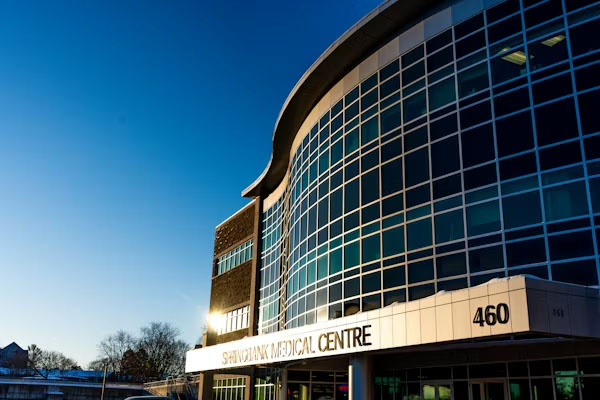
The Wellness Boom Nobody Predicted
Wellness used to be a niche word. Something you associated with luxury retreats, yoga mats, and overpriced green juice.
That is no longer the case.
It has gone mainstream in a way that touches nearly every industry. Hospitality. Real estate. Corporate workplaces. And especially healthcare and fitness.
People do not just want to be treated when they are sick. They want to feel looked after. They want environments that support their wellbeing from the second they arrive.
This has enormous implications for how physical spaces are designed. Businesses that ignore it risk feeling outdated. Those that embrace it are pulling ahead in ways that go far beyond aesthetics.
If you enjoy exploring how travel and lifestyle trends intersect, this is one of the most fascinating shifts happening right now. Wellness is reshaping not just how we live and work, but how we experience new places.
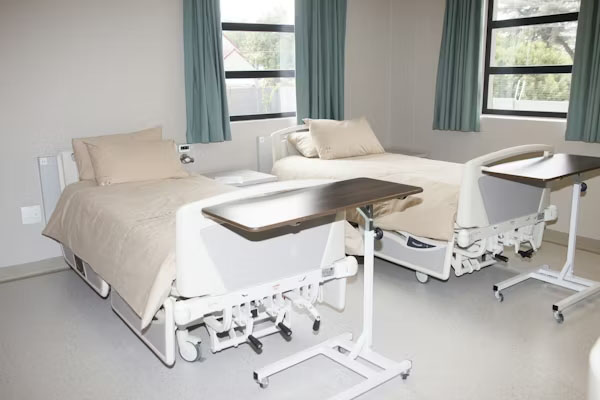
Why Healthcare Spaces Are Getting a Complete Rethink
For decades, the standard approach to clinic design was purely functional. Tile floors. Plastic chairs. Bright lights. A front desk hidden behind a glass partition.
It worked in the sense that it housed the necessary equipment and staff. But it did absolutely nothing for the patient experience.
That matters more than people realize.
Studies consistently show that physical environments influence patient anxiety levels, recovery outcomes, and even how much trust they place in their provider. A cold, sterile room does not scream "you are in good hands."
A thoughtfully designed space does.
This is why the concept of a purpose built healthcare fitout has become so important. It is not about making a clinic look pretty for the sake of it. It is about engineering an environment that supports better health outcomes.
Acoustic privacy. Natural light. Ergonomic furniture. Logical patient flow. Accessible layouts. A proper fitout addresses all of this from the ground up.
The ripple effects are significant. Patients who feel comfortable communicate more openly with their practitioners. They are more likely to return for follow ups. They leave reviews that mention not just the care, but the space itself.
GP practices, dental surgeries, physio studios, mental health clinics: across the board, providers are investing in spaces that reflect the quality of care they deliver.
For practitioners, a well executed fitout also improves workflow. Rooms are sized to reduce wasted movement. Storage is designed around actual daily use. Staff areas are separated from patient zones in ways that let the team work efficiently.
It pays off in multiple directions. Better patient experience. Better staff satisfaction. Better operational efficiency.
Hard to argue with that.
The Fitness Industry Has Raised the Bar
Now let's shift to the other side of the wellness coin.
Gyms and fitness studios have undergone a transformation that mirrors what is happening in healthcare. The old model of a sweaty, overcrowded room packed with mismatched machines is rapidly becoming extinct.
Members expect more. And they are willing to pay for it.
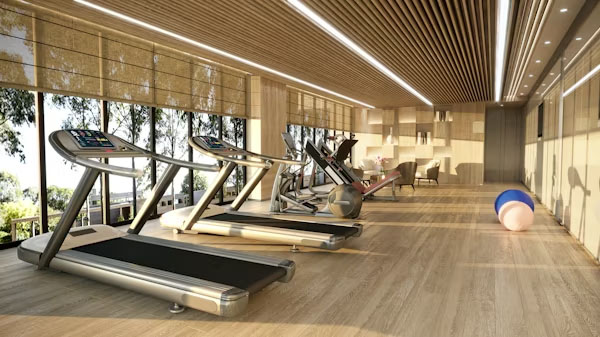
What is interesting is that the biggest differentiator is often not the programming or the trainers. It is the equipment.
People can feel the difference between a facility that has invested in proper, commercial grade machines and one that has cut corners. Cable paths that run smoothly. Weight stacks that do not rattle. Cardio machines with responsive consoles and stable footing.
These details shape the entire training experience
Gym owners who invest in quality gym equipment in Melbourne and other metro areas consistently see stronger member retention. It sounds simple, but it is true. People come back to places where the equipment feels good to use.
Nobody wants to adjust a seat that is stripped of its threading or run on a treadmill that shudders at pace.
Beyond equipment, layout matters enormously. Functional training zones, dedicated stretching areas, and clearly defined sections for different exercise types make a space feel professional and safe.
Members should not have to navigate an obstacle course of dumbbells to reach the squat rack. Smart floor planning eliminates that friction.
Lighting plays a bigger role than most assume. Harsh overhead fluorescents drain the energy from a room. Warmer, strategically placed lighting creates a motivating atmosphere without making the space feel dim.
The clubs thriving right now treat their physical space as part of their brand. Every touchpoint, from the entry to the locker rooms to the training floor, tells a story. When that story says "we care about your experience," members respond.
Where Health and Fitness Spaces Overlap
One trend gaining momentum is the blurring of lines between health and fitness environments.
Recovery clinics are installing movement studios. Gyms are adding physio rooms. Wellness centres are combining treatment spaces with exercise facilities under one roof.
This makes sense from the user's perspective. A runner dealing with a knee issue does not want to drive to one place for physio and another for training. They want it all under one roof.
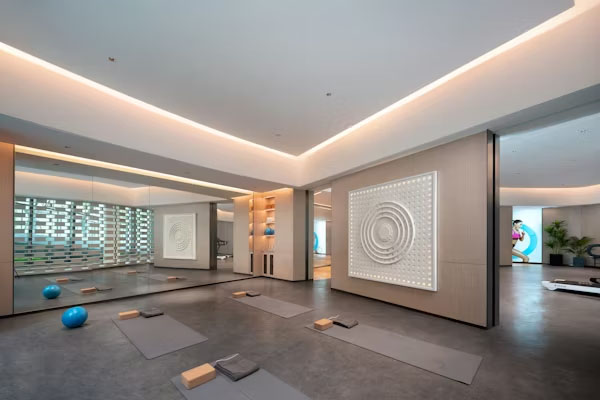
Designing these hybrid spaces is genuinely complex though. Treatment rooms demand acoustic privacy and clinical cleanliness. Training floors need robust flooring, ventilation, and enough room for dynamic movement.
Marrying those two worlds takes careful planning.
But when it works, the result is something special. Clients experience continuity of care that feels holistic rather than fragmented. Staff collaborate more naturally across disciplines.
The business benefits too. Multiple revenue streams. A broader client base. Stronger retention.
This hybrid model is still evolving, but early adopters are setting a standard that will be tough to ignore.
Small Details That Make a Massive Difference
It is tempting to focus on the big ticket items. The machines. The treatment tables. The custom joinery.
But some of the most impactful design choices are the small ones.
The texture of flooring underfoot. The scent in the air when you walk in. Background music at exactly the right volume. A reception area that feels calm rather than chaotic.
These things operate below conscious awareness. People might not articulate why they feel relaxed in one clinic and anxious in another. But the environment is almost always the reason.
Wayfinding is another underrated element. Clear signage and intuitive layouts reduce confusion. Nobody enjoys wandering through an unfamiliar building trying to find their appointment room. Simple navigation design removes that stress entirely.
Even minor choices like hand sanitiser placement or water fountain accessibility can elevate the experience. The best spaces make you feel like someone has thought of everything.
Usually, someone has.
What This Means If You Run a Wellness Space
Your space is not just a container for your services. It is part of the service.
The environment you create shapes how people feel about what you do before they even interact with a staff member. That is a powerful thing.
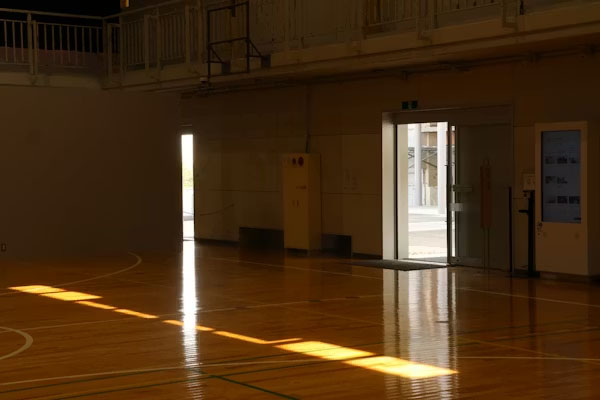
You do not always need to gut the place and start from scratch. Sometimes it is a series of smaller improvements. Better lighting. New flooring. A reorganised layout. Upgraded equipment.
Other times, a more comprehensive approach makes sense. A purpose built fitout or a full equipment overhaul can shift the entire trajectory of a business.
Whatever the scale, the principle stays the same.
People gravitate toward spaces that feel considered. They return to places that respect their time, their comfort, and their wellbeing.
In a world where options are abundant and reviews are one tap away, the quality of your space speaks louder than any marketing campaign ever could.
Invest in the environment. The rest tends to follow.
|