Hospitality Trends Reshaping Food Service
The hospitality sector rarely stands still, but the pace of change today is remarkable. Diner expectations, technology, and costs are all shifting at once, and venues that read the trends early gain a real edge. Those that ignore them risk feeling dated within a single season.
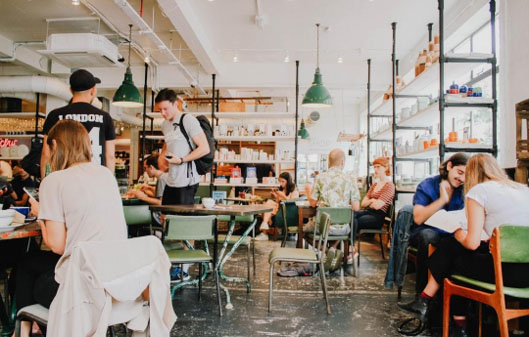
Food service sits at the centre of this change, where the kitchen, the floor, and the customer all meet. Staying current means watching the signals and adapting the offer to match. A specialist tracking hospitality industry trends can help operators separate lasting shifts from passing fads, and this guide walks through the trends that matter most right now.
Why Are Diner Expectations Changing So Fast?
Today's guests arrive with sharper expectations than ever. They have seen more, tasted more, and compared more, often before they even sit down. A good meal alone no longer guarantees a return visit.
Value now means more than price. Diners weigh the experience, the atmosphere, and the story behind the food as much as the plate itself. Venues that deliver on all of these earn loyalty that discounting never buys.
Digital habits drive much of this shift. Guests research menus, read reviews, and book online before arriving, often following guides that help them maximise your experience before they choose a venue. A venue's reputation is therefore set long before the welcome, and meeting that scrutiny is the new baseline for the whole sector.
What Technology Is Transforming Service?
Technology has moved from the back office to the heart of the guest experience. Used well, it speeds service and frees staff to focus on hospitality. The trick is choosing tools that help rather than distract.
Several tools are becoming standard across venues:
- Digital ordering. QR menus and app-based ordering at the table.
- Smart kitchens. Systems that route and time each order.
- Booking platforms. Online reservations and waitlist management.
- Data insights. Sales patterns that guide menu decisions
The goal is always to support people, not replace them. A well-trained team using good tools delivers faster, warmer service, which is why investment in the tourism and hospitality industry increasingly pairs technology with staff development. The human touch remains the point of hospitality.
How Important Is Sustainable Sourcing?
Sustainability has shifted from a nice-to-have to a genuine expectation. Diners increasingly want to know where their food comes from and how it was produced. That curiosity is reshaping menus across the country.
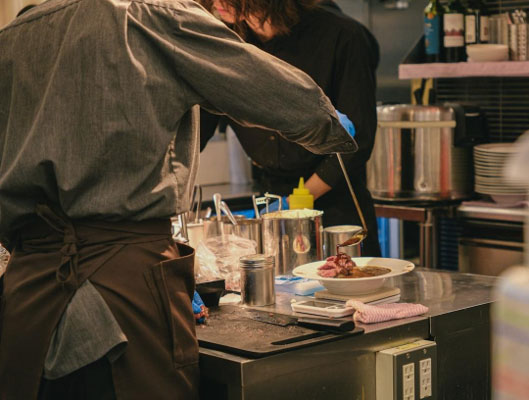
Local and seasonal sourcing leads the movement:
- Local suppliers. Shorter supply chains and fresher produce.
- Seasonal menus. Dishes that change with what is available
- Less waste. Smarter prep and portioning to cut spoilage.
- Clear labelling. Honest information about origin and method.
Guidance from the food regulator on food safety underpins all of this, ensuring that fresh, local sourcing never compromises on standards. Provenance and safety are two sides of the same commitment to quality.
What Is Driving Menu Innovation?
Menus themselves are evolving quickly to match changing tastes. Diners want more choice, more flavour, and more flexibility than a traditional set menu offers. Smart operators are responding with genuine creativity.
A few shifts define the modern menu:
- Plant-forward dishes. Vegetables as the star, not the side.
- Global flavours. Bold, borrowed tastes from around the world.
- Dietary options. Gluten-free, vegan, and allergen-aware choices.
- Smaller plates. Shareable formats built for sociable dining
Plant-forward cooking leads the list. Even venues built around meat now feature vegetable dishes as stars rather than sides, reflecting how many diners eat today. Bold global flavours and dietary options round out a modern, inclusive menu.
Experience is the other driver. A memorable dish, a signature drink, or a distinctive setting gives guests a reason to choose one venue over another. That focus on the visitor economy is echoed across the sector, with bodies like Austrade tracking how food and dining draw both locals and tourists.
Turning Trends Into Advantage
Trends only matter when a venue acts on them thoughtfully. Not every shift suits every business, so the skill lies in choosing the ones that fit your concept and customers. A clear read of the market prevents costly missteps.
Start with the guest and work backwards. Understand what your diners value, then adopt the technology, sourcing, and menu ideas that serve them best. A supplier who knows the sector can help match innovations to your kitchen and budget.
Balance ambition with practicality. Roll out changes at a pace your team and margins can sustain, and measure the results before going further. Done well, adapting to trends becomes a steady advantage rather than a scramble to keep up.
Frequently Asked Questions
What Is the Biggest Trend In Hospitality Right Now?
There is no single answer, but the strongest theme is the blend of technology and personalisation. Guests want the speed and convenience of digital ordering alongside genuinely warm, human service. Venues that combine efficient systems with attentive staff are best placed to meet modern expectations and stand out.
How Can Small Venues Keep Up With Trends?
Focus on a few changes that fit your concept rather than chasing everything. A small cafe might prioritise local sourcing and simple online booking over expensive systems. Working with a knowledgeable supplier helps you adopt the right tools at a sensible pace without overstretching your budget or your team.
Is Sustainable Sourcing Worth the Cost?
For most venues, yes. Local and seasonal sourcing can improve quality, support the story you tell diners, and often reduces waste that quietly erodes margins. Many guests will also choose and return to venues that source responsibly, making it an investment in loyalty as much as in ethics.
Does Technology Replace Hospitality Staff?
No, it should support them. The best venues use technology to remove repetitive tasks, freeing staff to spend more time with guests. Automation handles ordering and timing, while people deliver the welcome, the advice, and the warmth that define genuine hospitality and keep diners coming back.
Serving the Future of Food
The hospitality sector will keep evolving, and that is good news for venues willing to adapt. Read your diners closely, use technology to support your team, source with care, and keep menus fresh and inclusive. Choose the trends that suit your concept, roll them out at a sustainable pace, and lean on suppliers who understand the market. Do that, and change becomes an opportunity rather than a threat.
|